
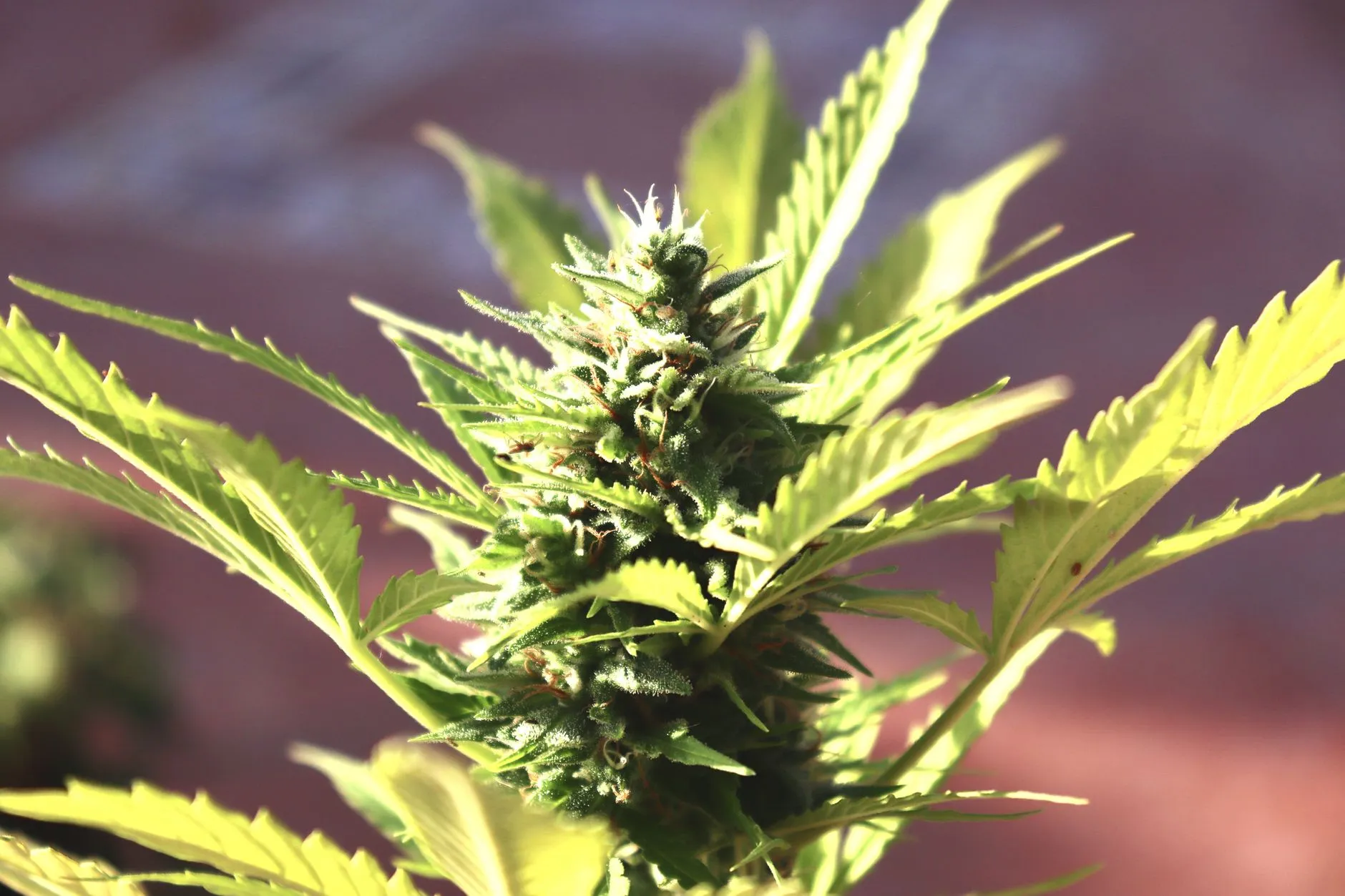
Indica, sativa and hybrid describe how a cannabis plant grows and where its ancestors came from. They are not a reliable guide to how a strain will feel. Indica plants are short and bushy with broad leaflets. Sativa plants are tall with narrow leaflets. Hybrids are crosses of the two, and today almost every strain on the market is one. A 2021 study in Nature Plants found that samples sold as “indica” and “sativa” were genetically indistinct. So when you choose between indica and sativa, look past the label to three numbers: the THC content, the CBD content and the dominant terpene.
That matches what we hear from our own customers: most of them find the difference almost impossible to tell. It is also how we run our shop. We still sort our flower into indica, sativa and hybrid, because that is how most people browse. But every product page lists THC, CBD and the dominant terpene, because those numbers tell you more. Below, we compare the 24 lab-tested strains we stock to show what the labels do and do not tell you.
In this article
- What is the difference between indica, sativa and hybrid?
- Do indica and sativa really feel different?
- What do 24 lab-tested strains show?
- What are terpenes, and why do they matter more than the label?
- Indica vs sativa vs hybrid: which should you choose?
- FAQ
What is the difference between indica, sativa and hybrid?
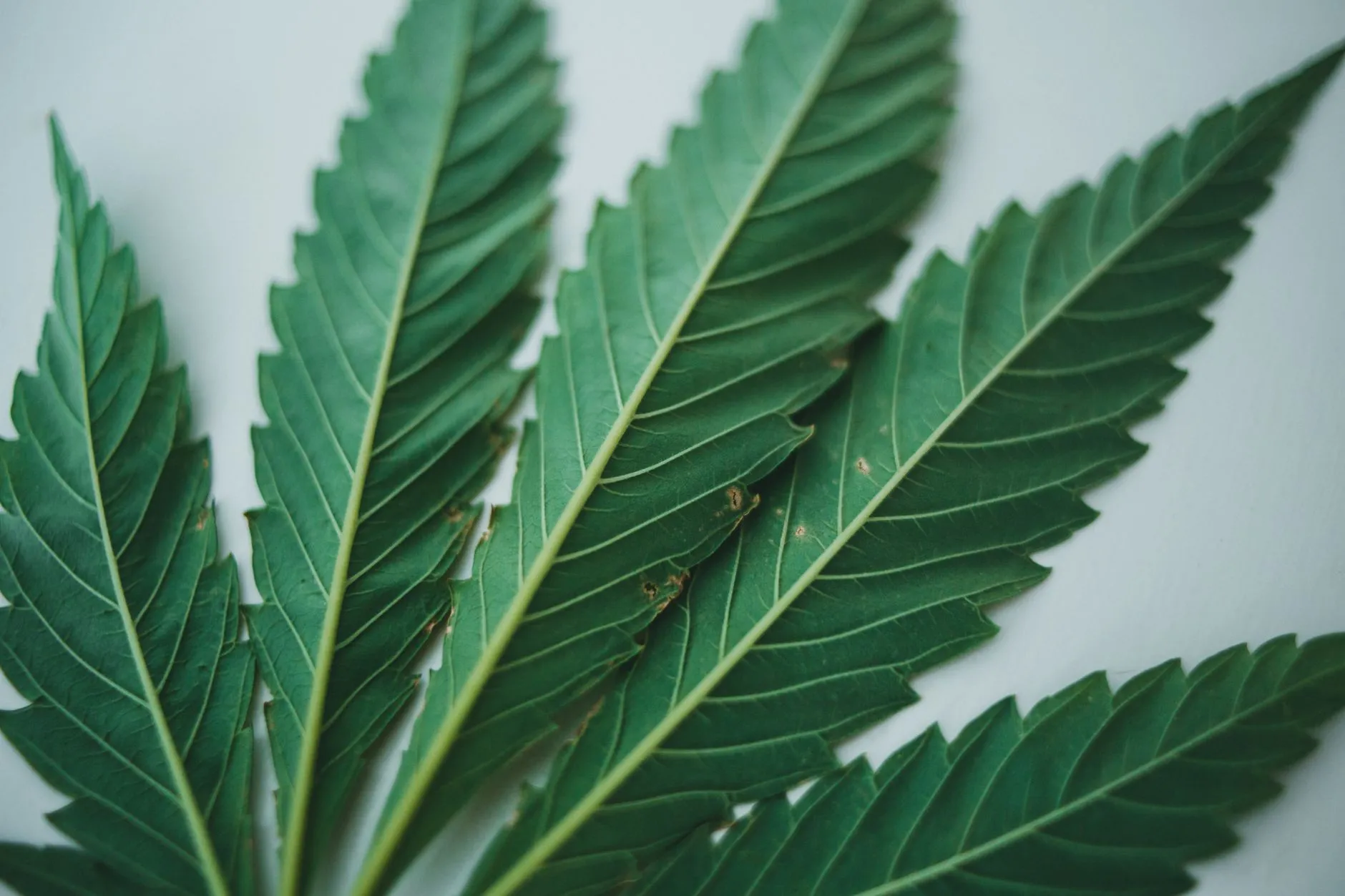
The names come from botany, not from effects. They describe the plant’s shape, its growing cycle and the region its landrace ancestors came from.
| Indica | Sativa | Hybrid | |
|---|---|---|---|
| Plant shape | Short, bushy, dense | Tall, airy, stretched | Anywhere in between |
| Leaflets | Broad | Narrow | Mixed |
| Flowering time | Shorter | Longer | Depends on the cross |
| Traditional origin | Mountain regions such as the Hindu Kush | Warm, equatorial regions | Bred from both |
| Reputation | “Body”, relaxed, evening | “Head”, lively, daytime | Balanced |
| Does the label predict effects? | Only loosely. THC, CBD and terpenes are better guides (see below). | ||
The last row is the one most guides leave out. The reputations in the table are real in the sense that buyers and sellers use them, but they are traditions, not lab results.
Do indica and sativa really feel different?
Not in a way the label can promise. The traditional rule says indica relaxes the body and sativa lifts the mind. Science and many experienced users disagree.
- The genetics do not line up. Researchers analysed the chemistry of 297 cannabis samples and genotyped 137 of them at more than 116,000 genetic markers. Samples labelled “sativa” and “indica” were genetically indistinct across the genome (Watts et al., Nature Plants, 2021).
- The labels track a few aromas, not the high. The same study found the labels matched a handful of terpenes. Myrcene was linked to “indica” labels, and farnesene and bergamotene to “sativa” labels. Even the strongest of these links explained only about a fifth of the variation.
- Researchers say to look at chemistry. Neurologist and cannabinoid researcher Ethan Russo has argued that a plant’s height or leaf shape tells you nothing about its effects, and that its cannabinoid and terpene profile does (interview in Cannabis and Cannabinoid Research, 2016).
- Our customers tell us the same. Across more than 150 reviews and messages from our own customers, the most common observation is that, in practice, they find it almost impossible to tell an indica from a sativa by feel alone. What they do notice is a difference in strength and in aroma.
- Many long-time users agree. In one of Reddit’s most active threads on the question (over 300 replies), a recurring answer from people who have used cannabis for decades is that they cannot reliably tell the two apart.
What does change how cannabis feels? Mostly the amount of THC you take, your tolerance, and the setting. The terpene profile may shape the experience too, although research on terpenes in people is still limited.
What do 24 lab-tested strains show?
We checked the label against the numbers for every flower strain we stock (prices and values as listed in our shop in October 2026).
| Label | Strains | Average THC | THC range | Most common dominant terpene |
|---|---|---|---|---|
| Sativa | 7 | 21.4% | 20% to 23% | Terpinolene, limonene, myrcene (2 each) |
| Indica | 6 | 20.3% | 18% to 25% | Myrcene (3 of 6) |
| Hybrid (THC) | 9 | 22.0% | 15% to 26% | Caryophyllene (4 of 9) |
Two further high-CBD strains (CBD 16% and 18%, THC 1% or less) are listed with the hybrids and left out of the averages.
Four things stand out:
- Indica is not the “strongest” label. Our indicas average the lowest THC (20.3%). The strongest flower we stock is a hybrid, Gorilla Glue #4, at 26%.
- The same terpene leads across all three labels. Caryophyllene is the dominant terpene in a sativa (Sour Diesel), two indicas (Bubba Kush and Zkittlez) and four hybrids.
- Labels and aromas cross over. Wedding Cake is sold as an indica, yet its dominant terpene is limonene, the citrus note usually marketed as “sativa”.
- There is a weak pattern, and it matches the research. Myrcene leads in half of our indicas (3 of 6) but in fewer than a third of our sativas (2 of 7). Terpinolene leads only in sativas and one hybrid.
In short: the label hints at a tendency, the numbers describe the actual flower in the jar.
What are terpenes, and why do they matter more than the label?
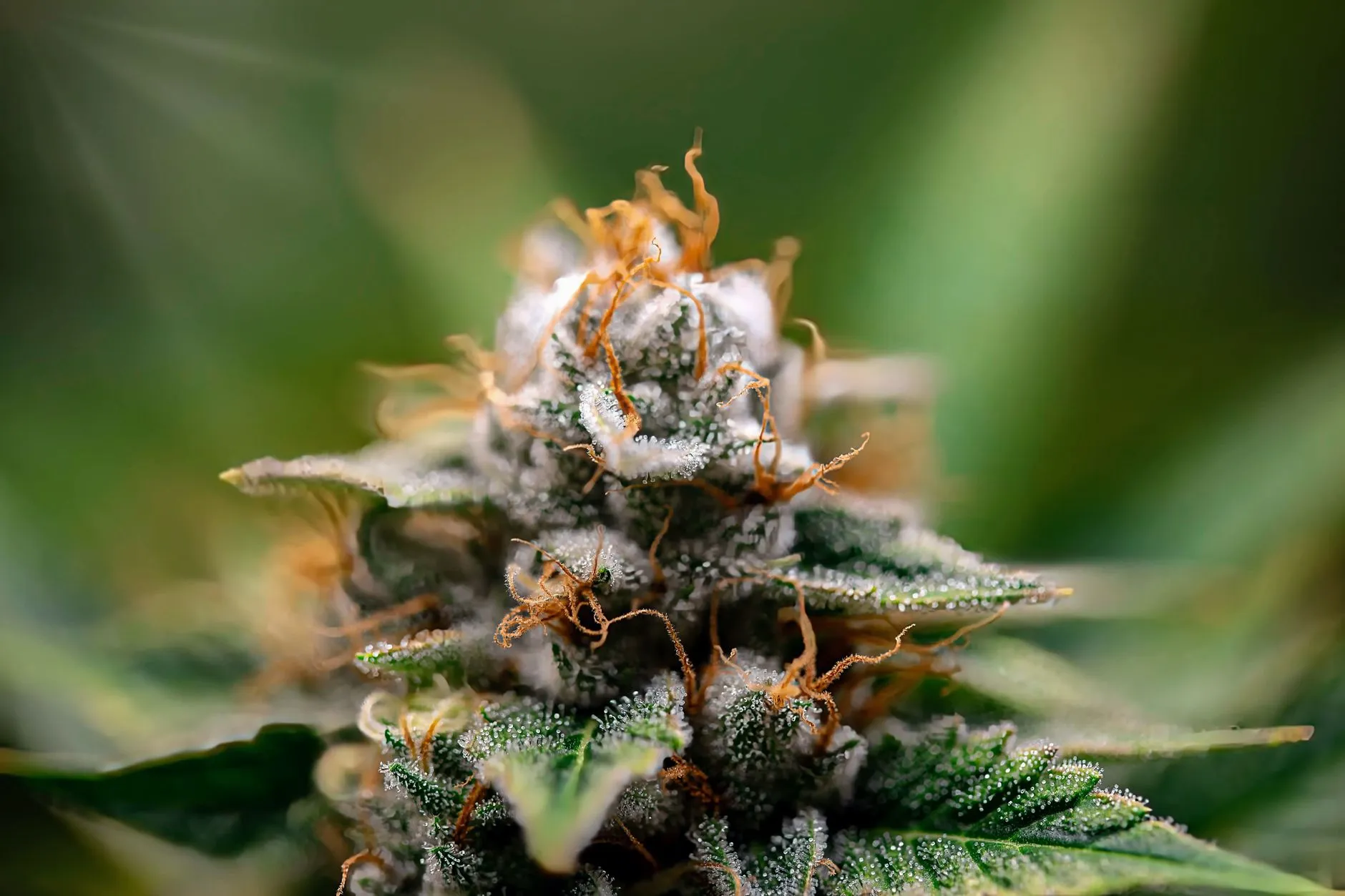
Terpenes are the aroma compounds a cannabis flower makes in its resin glands. They are why one strain smells of lemon and another of pepper or pine. These are the five that lead in our range:
- Myrcene: earthy, musky, slightly fruity. Also found in hops and mango.
- Caryophyllene: peppery and spicy. Also found in black pepper and cloves.
- Limonene: bright citrus. Also found in lemon and orange peel.
- Terpinolene: fresh, herbal, a little floral.
- Pinene: pine forest and rosemary.
Are terpenes the “real” reason strains feel different? The honest answer is that nobody can say for sure yet. Some users are convinced; others call it marketing. Research on how terpenes act in people is still at an early stage. What terpenes do reliably is tell you how a flower will smell and taste, and that is a far better reason to pick a strain than a one-word label.
Indica vs sativa vs hybrid: which should you choose?
Use the label as a tiebreaker, not as your starting point. Three steps work better:
- Choose your THC level first. It shapes your experience more than anything else. If you are new, or if strong cannabis has made you feel uneasy before, pick a lower-THC or balanced THC:CBD strain and start with a small amount. That matches the Lower-Risk Cannabis Use Guidelines, which recommend lower-potency or balanced products.
- Pick an aroma you like. Citrus (limonene, terpinolene), earthy (myrcene), peppery (caryophyllene) or pine (pinene). Every product page shows the dominant terpene.
- Then use the label for the occasion. Plenty of people still reach for an indica-labelled strain in the evening and a sativa in the daytime. That is a fine habit, as long as you check the THC first.
Four places to start in our range, one of each kind:
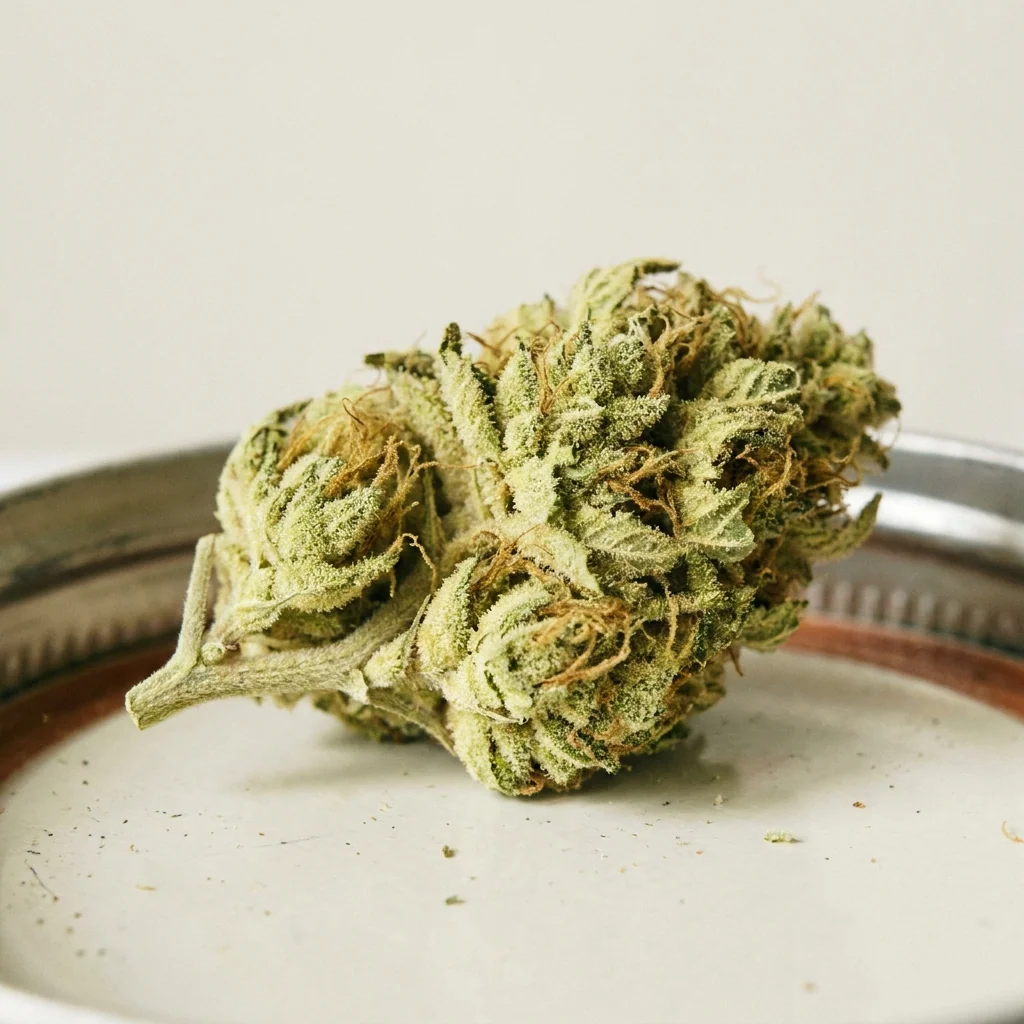
The classic sativa, with citrus and spice notes. Lab-tested, 3.5 g.
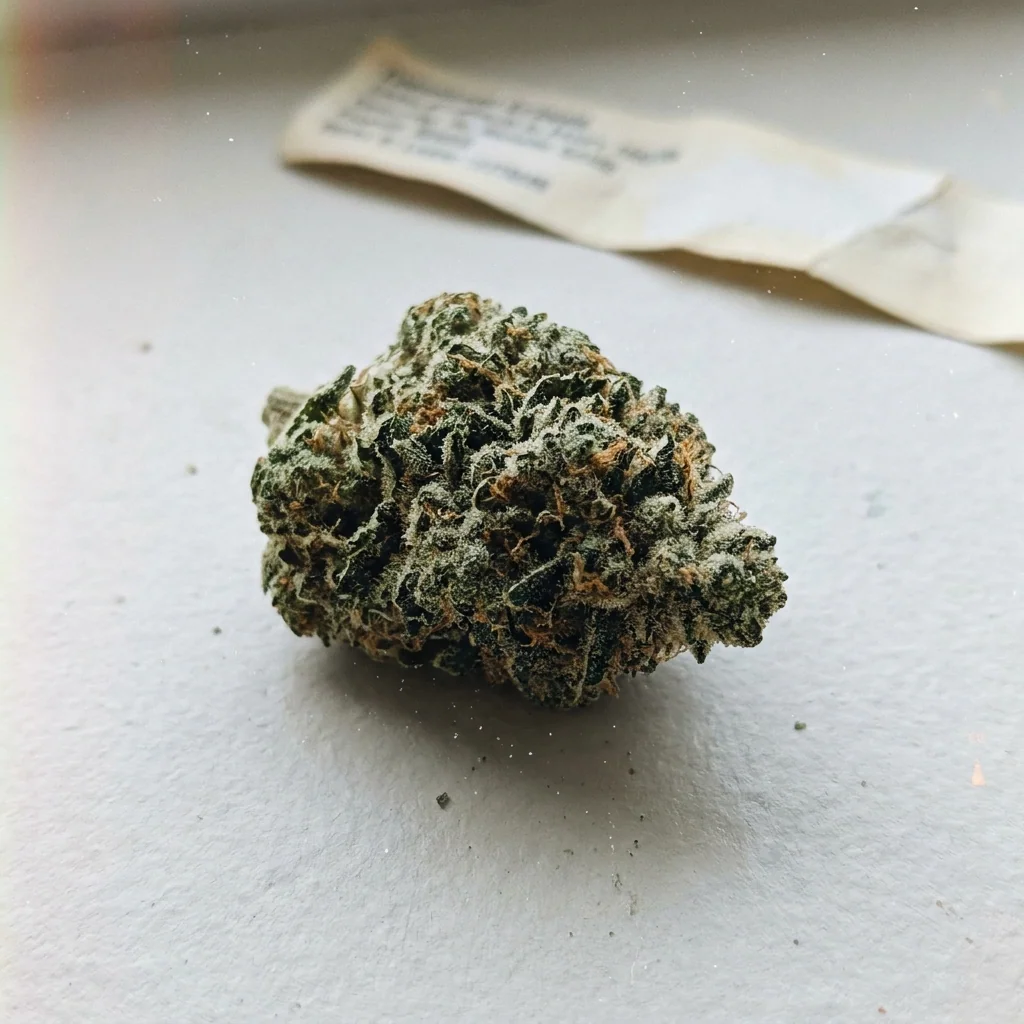
A classic indica with pine-sweet aromas and one of the lower THC levels in our range. Lab-tested, 3.5 g.
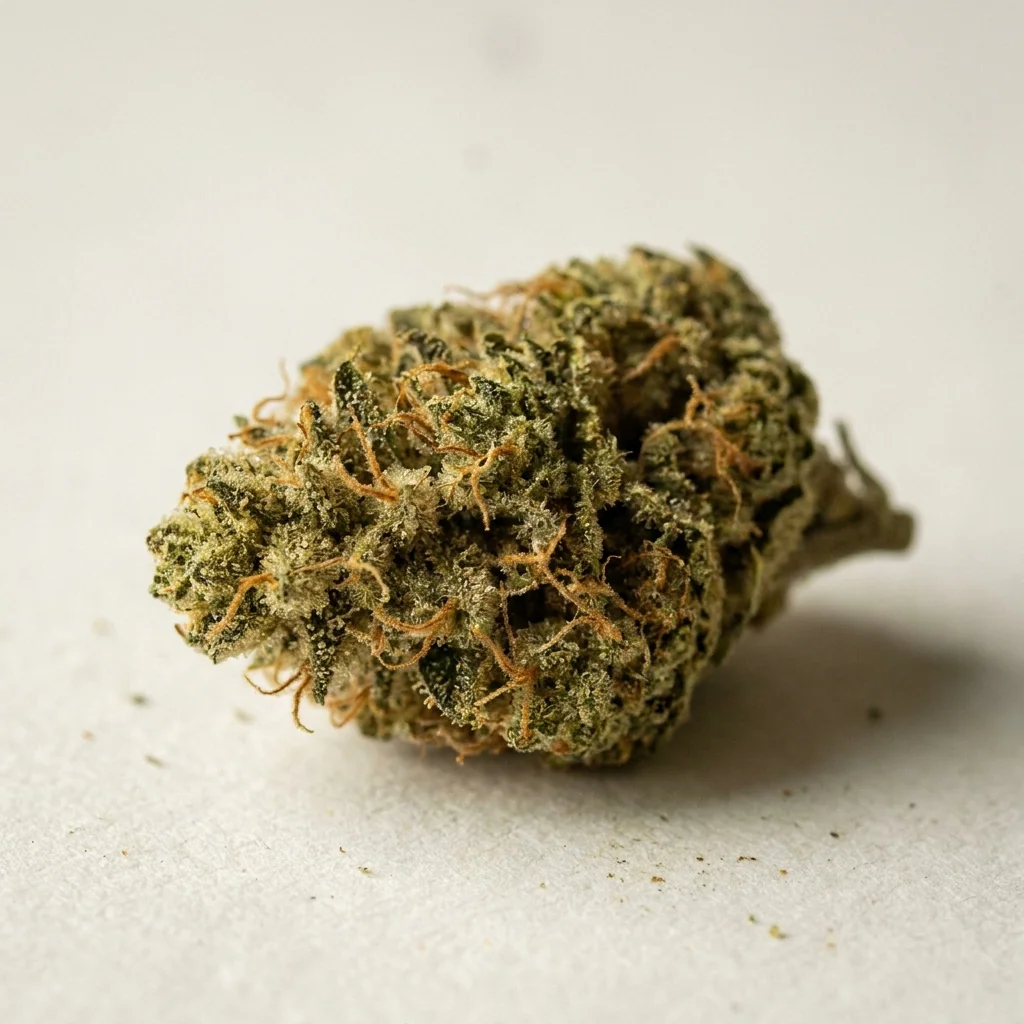
The best-known hybrid, earthy with a diesel edge. For experienced users. Lab-tested, 3.5 g.
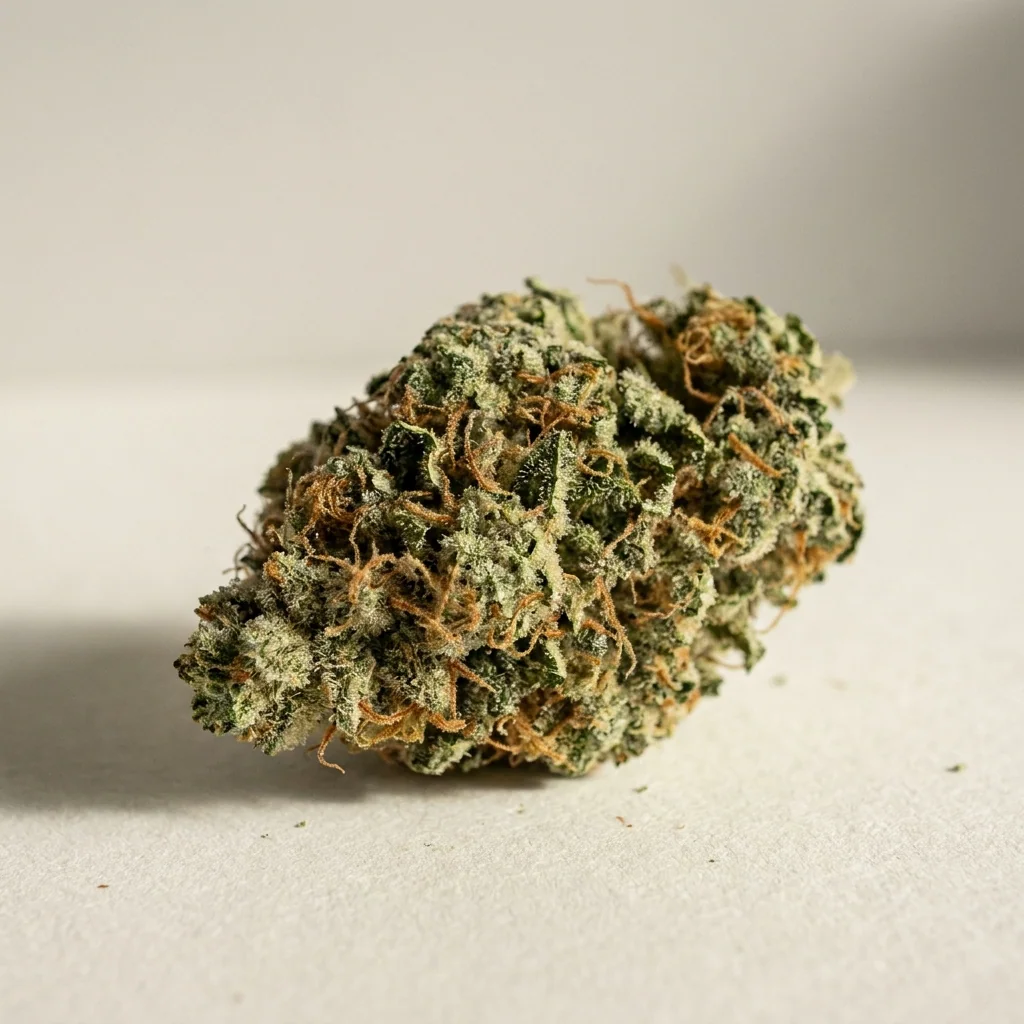
Our gentlest THC strain, with fresh herbal notes. A sensible first choice. Lab-tested, 3.5 g.
Frequently asked questions
Is indica stronger than sativa?
No. Strength depends on the THC content, not the label. In our own range the indicas average 20.3% THC, slightly below our sativas (21.4%) and THC hybrids (22.0%). Always check the THC figure on the product.
Is indica or sativa better for the evening?
Many people choose an indica-labelled strain in the evening out of habit, and research links “indica” labels with myrcene-rich flower. But no label guarantees how you will feel. For a calmer evening, a lower THC level matters more than the word on the jar.
Indica or sativa if strong cannabis makes you feel uneasy?
Neither label protects you. If high-THC cannabis has felt too intense before, choose a lower-THC or balanced THC:CBD strain, take a small amount and wait before having more. This is general information, not medical advice.
What does “sativa-dominant” or “indica-dominant” mean?
It means a hybrid whose breeders trace more of its ancestry to one side. Since almost every modern strain is a hybrid, these terms describe lineage, not a guaranteed effect.
Can you tell indica from sativa by looking at the bud?
Not reliably. Leaf shape and plant height differ while the plant is growing, but dried flower from either side can look very similar. The lab values tell you far more.
Shop by the numbers, not the label
Every Cannovo strain lists its THC, CBD and dominant terpene, backed by an independent lab test.
Free shipping over €75 · 10% off crypto payments · 21+ only, permitted EU markets
By Marlon Krompholz, Pharmacist, Cannovo · Last updated: 7 October 2026
